NCSW Leads High-Level Consultation to Reform Shelter Systems for Women, Calls for National Standards and Urgent Action
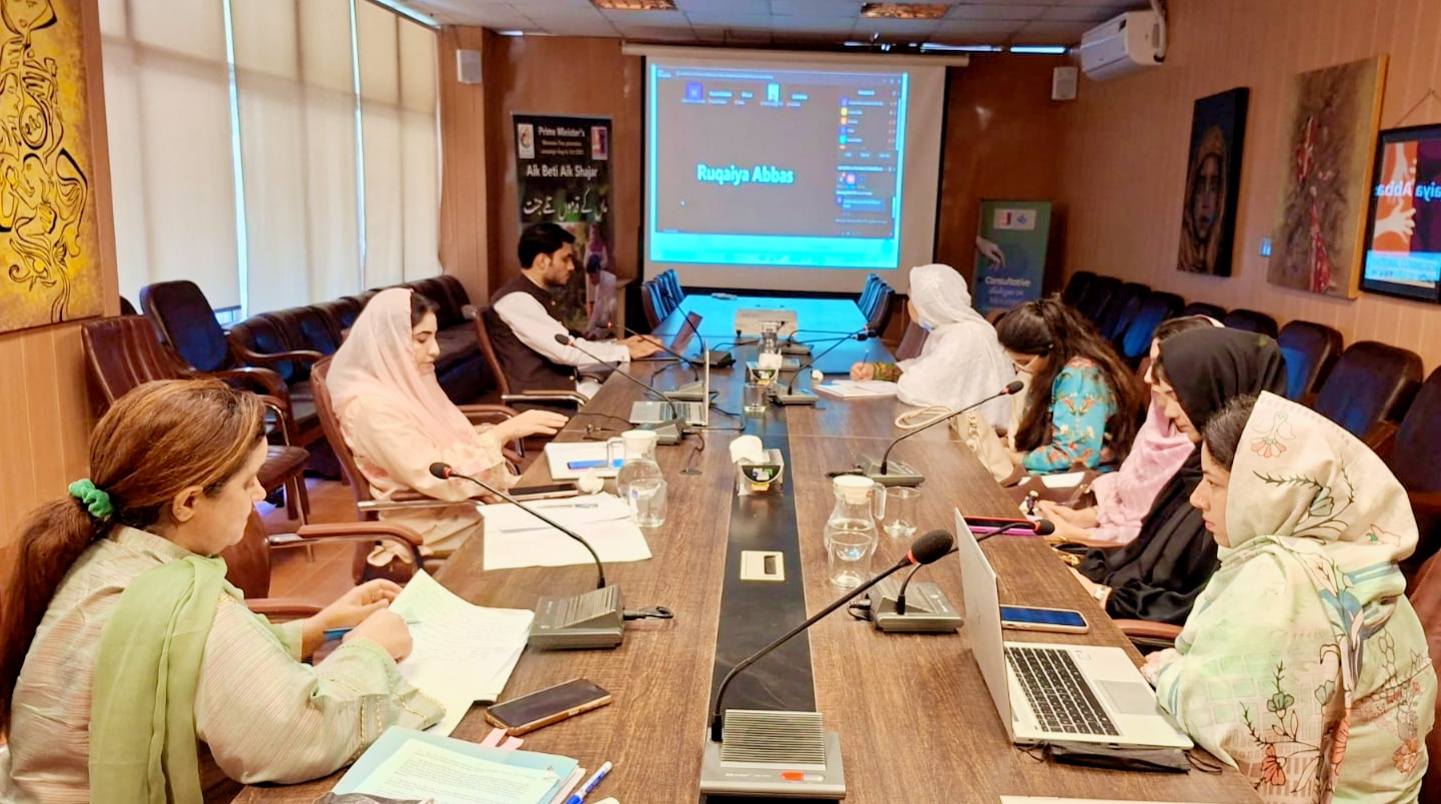
NCSW convened a high-level consultative meeting, having participation from federal & provincial stakeholders, experts, and relevant institutions. The meeting was chaired by Chairperson NCSW, Ms. Noureen Bano Lehri, attended by representatives from federal and provincial departments, representatives from United Nations consortium partners, and other key stakeholders. In her opening remarks, the Chairperson underscored the urgent need to critically assess the existing state of shelter homes and protection facilities for #women across Pakistan. She highlighted that the absence of old-age shelter facilities for women, particularly in rural areas, remains a serious concern, with most facilities concentrated in major urban centres. She further emphasized that “many facilities exist only on paper and are not effectively implemented on the ground,” stressing the need for stronger oversight and accountability mechanisms. The consultation focused on identifying systemic gaps, including the lack of a unified national regulatory framework, inadequate funding, limited geographical coverage, weak service delivery, and insufficient trained staff. Participants also highlighted challenges related to psychosocial support, healthcare services, and rehabilitation mechanisms. Secretary National Commission on the Status of Women, Islamabad emphasized the importance of comprehensive data collection and informed participants about plans to initiate a nationwide research study in collaboration with SSDO. NCSW also proposed the utilization of existing government infrastructure, including #TEVTA institutions, to expand shelter facilities. Participants from AJK, Balochistan, and Gilgit-Baltistan shared critical insights from their respective regions, highlighting disparities in access and implementation. Serious concerns were raised regarding the absence of shelter homes in certain areas, leaving vulnerable women without safe alternatives. Key outcomes of the consultation included: 1. Establishment of a national network of shelter homes. 2. Formation of a joint working group of relevant stakeholders. 3. Development of standardized SOPs and minimum service standards. 4. Engagement of women parliamentarians through a parliamentary caucus. The Commission also agreed on immediate action points, including the issuance of a letter to Ms. Noureen Bano Lehri concluded the meeting by thanking all participants and reaffirming NCSW’s commitment to developing a coordinated, inclusive, and effective shelter system across Pakistan.
The Chairperson reiterated the need for a coordinated and standardized national response, stating that “ensuring protection, dignity, and rehabilitation of women must remain a collective priority backed by concrete actions and sustained partnerships.”
authorities in Gilgit Baltistan, nationwide data collection, and priority field visits to assess shelter conditions on ground.